 dr.vision
1–3 wks.
a viral conjunctivitis usually heals on its own. Antibiotics do not help here.
Start here
What suits you?
Find out in 2 minutes which procedure suits your eyes.
Start the Suitability CheckOr by age:
< 45yearsGet rid of glasses & contact lenses 45–64yearsGet rid of reading glasses 65+yearsCataract & glasses-free★★★★★ 5.0 · 376 Google reviews · 20,000+ procedures
Decide well
What you should know beforehand.
Who operates?Prof. Dr. Mehdi ShajariFOCUS Top Doctor · operates on every patient personally What does it cost?Laser from €3,498 · Lenses from €6,886Prices for both eyes Is it safe?Safety & risks When will I be fit again?Work, sports, driving Would you rather read in peace first?Decision Guide Freedom from GlassesProcedures
Laser or lens?
Laser eye surgery
SMILE ProSmartSightFemto-LASIKTrans-PRKPRKPresbyond (laser away your reading glasses)All laser procedures at a glanceLaser procedures compared ›Lens surgery
ICLLens exchange (reading glasses)Cataract surgery with premium lensLens types: trifocal, EDOF, toricLens types compared ›Start here
Something wrong with your eyes?
A thorough eye check-up with us clarifies what is behind it.
Book an eye check-up★★★★★ 5.0 · 376 Google reviews
Conjunctivitis · Pink eye
Red eye? We find out what is behind it.
Red, itchy or sticky eye? It is usually conjunctivitis, but whether it is viral, bacterial or allergic determines the right treatment. Have it checked with us: appointment usually within 24 to 48 hours, also evenings and Saturdays.
 12× FOCUSTop Doctor
Mostly harmless. Often contagious.
1–3 wks.
a viral conjunctivitis usually heals on its own. Antibiotics do not help here.
2–5 days
with antibiotic drops. Without treatment about one week.
14 Days
the adenovirus form can be contagious. Allergic forms are never contagious.
0
No lenses until the eye has calmed down. Red plus pain plus lens: see an eye doctor the same day.
Today
Short-notice appointments for acute complaints. Fastest by phone.
376 reviews. Average 5.0.
I contacted 6 eye doctor's practices about acute conjunctivitis before I decided to see Prof. Shajari. I am a patient with statutory health insurance. I was welcomed by very friendly staff and was treated right away without an appointment. My eyes felt like there was sand in them at that point. […] Prof. Shajari was exceptionally friendly. I felt very comfortable.
I can only recommend Professor Shajari. The practice is equipped with the best devices I have ever seen. Apart from that, Dr. Shajari is kind, professional and explains the examination results calmly, with great expertise and plenty of time. I felt well taken care of in every respect and can warmly recommend the practice. The welcome from the ladies at reception was also warm and professional. Congratulations on this great practice, dear Professor Shajari, and to the entire team. Warmest regards, Henrik Knodel.
Very professional and kind doctors and assistants, the practice is super modern and clean. You get an appointment very quickly and the waiting times in the practice are also very short. I would definitely recommend the practice to everyone and will come back!
Top eye doctor in a super modern practice! Dr. Shajari was recommended to me, I got an appointment quickly and was seen after waiting not even 5 minutes. He takes enough time for a careful examination. This is how you want a doctor's visit to be - I can recommend Dr. Shajari with a clear conscience!
The most important points in five answers.
For everyone who has a red eye right now and wants clarity fast. Each answer leads to the detailed chapter.
Immediately for worse vision, severe pain, light sensitivity, after an injury or as a contact lens wearer with pain. Within 24 hours for pus and for children; newborns and children with fever or a swollen eyelid the same day. Otherwise have it checked within the next few days.
Quick CheckWatery with a cold: usually viral. Yellow-green and sticky in the morning: more likely bacterial. Both eyes, severe itching, hay fever: allergic.
Comparison tableViral up to two weeks, bacterial until 1–2 days after starting antibiotics, allergic never. Washing your hands and using your own towel are the best protection.
Daycare, school, workBacterial: antibiotic drops. Viral: cooling, artificial tears, hygiene, patience. Allergic: antiallergic drops. Chamomile, tea bags and breast milk tend to do harm.
Treatmentdr.vision is a private practice: billing under the German fee schedule for physicians (GOÄ), private health insurance and Beihilfe (allowance for German civil servants) usually reimburse, patients with statutory health insurance pay themselves. We tell you the guide price in advance by phone.
CostsImmediately, tomorrow or in the next few days?
Most cases of conjunctivitis heal on their own in one to two weeks. Still, always have a red eye checked by an eye doctor so that a more serious cause is not missed. Immediately for pain, light sensitivity or worse vision, within 24 hours for pus and for children, otherwise within the next few days. The Quick Check shows you in 30 seconds how urgent it is.
Quick check · 30 seconds
Tap everything that fits. The check does not replace an examination; it helps you assess how urgent it is.
Assessment: Details ↓
Choose your complaints on the left. Unsure? Call us, Patient Care will assess with you how urgent it is.
069 509 586 770Available 24 hoursThese signs point to more than a simple conjunctivitis, for example an inflammation of the cornea, an inflammation inside the eye or an injury. Call us immediately during consultation hours. Outside consultation hours, in case of sudden loss of vision or after a chemical burn, go straight to the emergency room of an eye hospital. For chemicals, rinse with water for at least 15 minutes right away and call 112.
Call nowThis points to a bacterial conjunctivitis or a course that does not improve on its own. With the right treatment it usually clears up within a few days, and your child can return to daycare sooner. We offer short-notice appointments for this.
Appointment today or tomorrowMild, watery or allergic complaints without pain and without worsening of vision are usually not urgent. Still, have them checked by an eye doctor within the next few days. Until then: wash your hands, cool the eye, use preservative-free artificial tears, and no contact lenses. If a red sign is added, call immediately.
What helps now?Clearly worse vision, severe pain, light sensitivity, a distorted pupil or a white spot on the cornea are not typical signs of conjunctivitis. Behind them there may be an inflammation of the cornea or iris, or acute glaucoma.
Yellow-green discharge, children, contact lens wearers, people with a weakened immune system and everyone whose condition does not improve after two to three days. An examination is worthwhile here, because targeted drops shorten the course.
Mild redness, watery tearing, itching with a known allergy, normal vision, no pain. Not urgent, but have it checked within the next few days. Until then, cooling and artificial tears help. If it gets worse, call immediately.
Conjunctivitis in the first four weeks of life can be caused by germs from the birth canal and must be seen by a doctor the same day. In infants, however, a sticky, watery eye without redness is often a tear duct that has not yet opened. In daycare children, conjunctivitis is often bacterial, especially together with a middle ear infection; if fever or a badly swollen, red eyelid is added, the child should be examined the same day. More on children's eyes on the page Pediatric eye doctor.
Sudden loss of vision in one eye, a chemical burn with acid or lye, an injury with blood in the eye, or a foreign body that flew into the eye at high speed (drilling, grinding, hammering), sudden severe eye and head pain with nausea and blurred vision. In these cases, go straight to the emergency room of an eye hospital or call the emergency services. For chemicals: immediately rinse with plenty of water for at least 15 minutes, keeping the eyelids apart and tilting the head toward the affected side so that nothing runs into the other eye. Remove contact lenses if this can be done quickly. Call the emergency services (112) and keep rinsing until help arrives. More on the page Urgent appointment.
An inflammation of the mucous membrane that protects the eye.
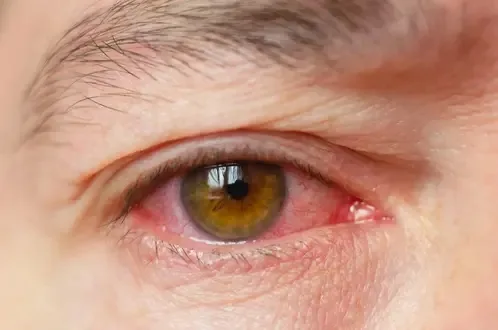
The conjunctiva is a wafer-thin, transparent mucous membrane. It lines the inside of the eyelids and covers the white of the eye up to the edge of the cornea. When it becomes inflamed, its blood vessels widen: the eye turns red, waters, itches or burns. Conjunctivitis is the most common reason for a red eye. Triggers are viruses, bacteria, allergies or irritation.
Viruses
In adults, the viral form is the most common. It often starts in one eye and spreads to the second after a few days.
Bacteria
Staphylococci, streptococci or Haemophilus. Much more common in children than in adults; antibiotic drops work quickly.
Allergy
Pollen, house dust, animal hair. Often together with hay fever, seasonal or year-round, and without any risk of contagion.
Red, watering, sticky. But vision stays clear.
Four signs are typical: redness, tearing or discharge, itching or burning, and a feeling of a foreign body. With pure conjunctivitis, vision is at most slightly hazy and becomes clear again after blinking. Pain and poor vision do not fit.
The white of the eye is pink to deep red, strongest toward the eyelids. The redness can easily be moved with the eyelid.
Watery with viruses and allergy, thick yellow to green with bacteria. In the morning the eyelashes are often stuck together.
Itching points to an allergy; burning and a gritty feeling point to a viral or bacterial inflammation or dry eye.
Eyelids and conjunctiva can swell, sometimes glassy and puffy with an allergy. A single painful lump on the eyelid is more likely a stye.
Severe pain, light sensitivity, clearly worse vision, rings around lights, an unequal pupil. In that case please have it examined the same day.
Runny nose, sore throat, swollen lymph nodes in front of the ear (viral) or sneezing and a runny nose (allergic).
| What it could be | Typical signs | How urgent |
|---|---|---|
| Conjunctivitis | Redness toward the eyelid, tears or pus, itching or burning, vision clear | Depending on the traffic light: immediately, within 24 hours or in the next few days |
| Inflammation of the cornea (keratitis) | Pain, light sensitivity, blurred vision, often contact lens wearers, sometimes a white spot | The same day |
| Inflammation of the iris (iritis) | Redness around the cornea, dull pain, light sensitivity, small pupil, hardly any discharge | The same day |
| Acute glaucoma (acute angle-closure attack) | Very severe eye and head pain, nausea, foggy vision, rings around lights, eye rock-hard | Immediately, emergency room |
| Bleeding under the conjunctiva (hyposphagma) | Sharply bordered, flat red patch, no pain, vision normal | Harmless; have it checked if it recurs or if you take blood thinners |
At the slit lamp we see the difference within a few minutes. A fluorescein dye shows whether the cornea is also affected, which changes the treatment.
Three causes. Three completely different treatments.
The distinction decides whether antibiotics help or not. Rule of thumb: watery and with a cold points to viruses, yellow-green and sticky to bacteria, in both eyes with severe itching to an allergy. The distinction is only certain at the slit lamp, sometimes with a swab.
| Feature | Viral | Bacterial | Allergic | Irritation / dry eye |
|---|---|---|---|---|
| Discharge | Watery, clear | Thick, yellow to green, sticky in the morning | Watery, sometimes stringy | Hardly any, rather dry |
| Eyes | First one, after days often both | One or both | Almost always both | Both |
| Key symptom | Feeling of a foreign body, light sensitivity | Eyelids stuck together | Severe itching | Burning, grit, worse at the screen |
| Accompanying signs | Cold, lymph nodes in front of the ear | In children often a middle ear infection | Sneezing, hay fever, season | Air conditioning, smoke, screen work |
| Contagious | Yes, very, up to 14 days | Yes, until 24–48 h after starting therapy | No | No |
| Duration | 1–3 weeks | 2–5 days with drops | As long as the trigger is active | Recurring, until the cause is treated |
| Treatment | Relieve: cooling, artificial tears, hygiene. No antibiotics | Antibiotic eye drops | Antiallergic drops, avoid triggers | Tear substitute, eyelid margin care |
“Epidemic keratoconjunctivitis” is caused by certain adenoviruses and spreads easily in families, daycare centers, offices and doctors' practices. After infection it usually takes 5 to 12 days until symptoms begin. Typical are a very red, watering eye with a feeling of a foreign body, swollen eyelids and a palpable lymph node in front of the ear; after a few days the second eye often follows.
In some patients, small opacities form in the cornea after one to two weeks, so-called nummular infiltrates. They make vision blurry and sensitive to glare and can last weeks to months. That is why we check the cornea when the redness fades but vision does not become clear. The laboratory detection of adenoviruses in an eye swab is notifiable in Germany (§ 7 IfSG).
For most cases of conjunctivitis, a look at the slit lamp is enough. We take a swab if a treatment does not take effect after a few days, in newborns, with very heavy pus, if chlamydia is suspected (long-lasting, one-sided, often young adults) or when cases cluster in institutions.
Hands are the main route.
Viral and bacterial conjunctivitis spread via hands, towels and door handles, the viral form for up to two weeks. There is no nationwide daycare rule; many institutions only take children back once the eye no longer waters or produces pus. Allergic conjunctivitis is never contagious.
| Situation | What usually applies | Our advice |
|---|---|---|
| Daycare and kindergarten | House rule of the institution, often staying away with a purulent or watering eye, sometimes a medical certificate | Bacterial: usually possible again after 1–2 days of antibiotics. Viral: stay at home until the eye no longer waters |
| School | No obligation under the German Infection Protection Act, the school may require staying away | Stay at home with heavy tearing, use your own tissues, do not share pens and tablets |
| Office | Fitness for work is individual | Often possible with hand hygiene and your own towel, inform colleagues, disinfect the keyboard |
| Care, medical practice, daycare staff, food service | High risk of transmission to vulnerable people | With the viral or bacterial form, do not work until the eye has calmed down |
| Swimming pool, sauna, team sports | Chlorine irritates, germs spread | Pause until all symptoms have cleared |

Washing your hands measurably lowers the risk of infection; alcohol-based disinfectants work only to a limited degree against adenoviruses. Thorough washing with soap is therefore the most important protection.
The cause determines the drops.
Antibiotics only help against bacteria; they are useless for the more common viral form. That is why an examination comes before every prescription: within 10 to 15 minutes we usually know at the slit lamp which form is present and which drops help.
Work quickly against bacteria, shorten symptoms and contagion.
No tablet and no drop kills the viruses. Cool, moisten, hygiene.
Antihistamines and mast cell stabilizers, avoid triggers.
With bacteria. Only with bacteria.
For purulent, yellow-green discharge, antibiotic drops or ointments shorten the illness and the time you are contagious; most patients notice a clear improvement after 2–3 days. For viral or allergic conjunctivitis they tend to do harm, because they irritate and promote resistance.
Usually several times a day for 5–7 days, depending on the active ingredient. Keep using the drops even if the eye is calm after two days, otherwise the inflammation can come back.
Wash your hands, tilt your head back, pull down the lower eyelid, put one drop into the pocket, close the eye for two minutes. Do not touch the tip of the bottle. Ointment is best in the evening.
Drops containing cortisone can worsen a herpes inflammation of the cornea and raise eye pressure. We use them only once we have seen the cornea.
Patience, cooling, hygiene.
There are no drops that act on the cause of most conjunctival viruses; the body heals them on its own in 1 to 3 weeks. The goal of treatment is to relieve symptoms, protect others and detect complications of the cornea early.
Cool, clean compresses several times a day for a few minutes, plus preservative-free artificial tears, preferably from the refrigerator.
If vision becomes hazy after the redness fades, or if glare bothers you, nummular infiltrates may have formed. We then check and treat in a targeted way.
Herpes viruses can affect the conjunctiva and cornea, usually on one side with blisters on the eyelid. Effective antiviral medications exist here, which is why the examination is important.
Stop the itching before you rub.
Antiallergic eye drops with an antihistamine often work within minutes; mast cell stabilizers prevent symptoms if you start them two weeks before the pollen season. Rubbing worsens the inflammation and can deform the cornea in the long run.
Combination products of an antihistamine and a mast cell stabilizer work quickly and preventively. For severe symptoms, further active ingredients for a short time after an examination.
Wash your hair in the evening, pollen screens, sunglasses outdoors, do not leave clothes in the bedroom, replace contact lenses with daily lenses during the season.
If your allergy returns every year, an allergy test with your family doctor or an allergist is worthwhile; desensitization therapy can lower the symptoms permanently.
If conjunctivitis lasts longer than three to four weeks or keeps coming back, a simple infection is rarely the cause. Common causes are dry eye, chronic inflammation of the eyelid margin (blepharitis), an allergy to preservatives in drops, contact lens intolerance or, less often, chlamydia. We then examine the tear film, eyelid margin and meibomian glands and treat in a targeted way. An inflamed eyelid margin with a swollen eyelid also belongs to the topic swollen eyelid.
Lenses out. Glasses on.
Contact lenses hold germs against the eye and worsen the oxygen supply to the cornea. Do not wear lenses until it has cleared up and for about one day beyond that. Redness with pain in lens wearers is a reason to see an eye doctor the same day, because a corneal infection may be behind it.
| Question | Answer |
|---|---|
| When can I wear lenses again? | When the eye has been white and free of symptoms for at least 24 hours and any antibiotic treatment is finished |
| What should I do with the lenses? | Throw away daily lenses. Replace monthly and two-week lenses after an infectious inflammation, and replace the case |
| Care products? | Open new ones. Do not rinse lenses with tap water, never moisten them with saliva |
| Warning signs in lens wearers | Pain, light sensitivity, blurred vision, white spot on the cornea: see an eye doctor the same day |
| Acanthamoeba | A rare but serious corneal infection caused by single-celled organisms from water. Risk mainly with lenses and tap, bathing or lake water (very rare) |
Anyone who tolerates contact lenses poorly in the long term or keeps getting inflammations can talk with us about alternatives, for example laser eye surgery instead of contact lenses. Laser treatment is not done during an inflammation.
Cool and sterile, yes. Tea and breast milk, no.
Home remedies relieve symptoms but do not cure a bacterial infection. Cool, clean compresses, sterile saline solution and artificial tears have proven their worth. Chamomile tea, tea bags and breast milk are not sterile and can additionally irritate or infect the eye.
Eyebright drops in sterile single-dose vials are usually well tolerated and can bring relief that you notice yourself; an effect against germs has not been shown. Warmth helps with eyelid margin inflammation and chalazion; with an acute, swollen conjunctivitis, coolness usually feels better. If you are unsure, ask us.

Red eye for more than two days?
Call us. Often still the same day.
Jana from our Patient Care assesses with you how urgent it is and arranges a short-notice appointment with senior physician Pavlovic, Dr. Grunwald or Prof. Dr. Mehdi Shajari. Reachable around the clock.
Call, examine, treat in a targeted way.
The urgent appointment usually takes 15 to 30 minutes. The examination does not hurt; usually you go home with a clear diagnosis, the right prescription and a plan for when you may go back to work, daycare or wear lenses.
1 Call
Since when, which eye, pain, contact lenses, child or adult. Afterward you get a suitable short-notice appointment.
15 min
We look at the conjunctiva, eyelid margin and cornea under high magnification, check visual acuity and, if needed, eye pressure, or take a swab.
1 prescription
You receive the right prescription, instructions for putting in drops, a hygiene checklist for the family and, if necessary, a follow-up appointment.
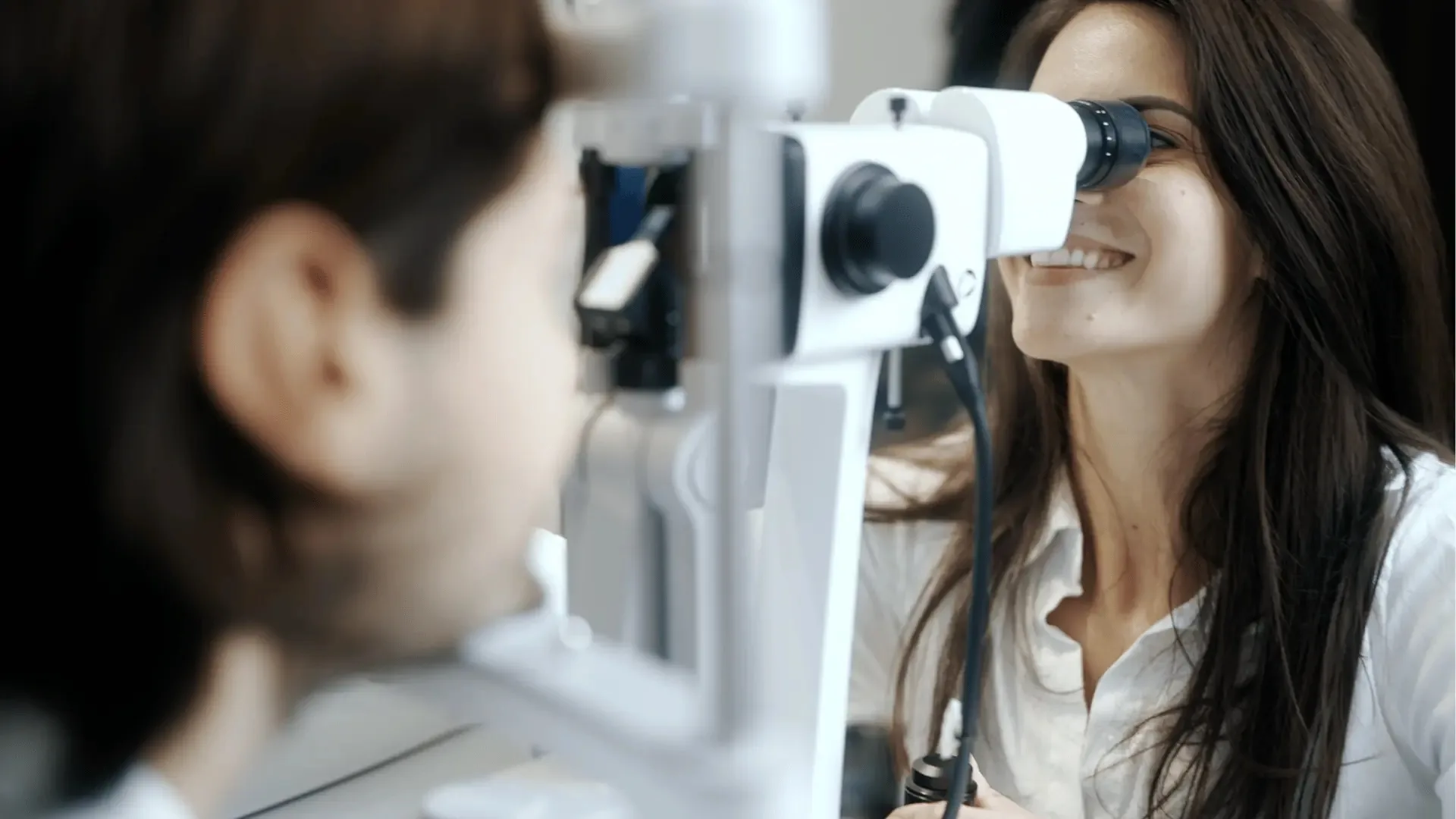
Please bring: your glasses, contact lenses in their case if you wear any, all drops you have already used, and a list of your medications. After the appointment, only drive yourself if you see well; sometimes the pupil is dilated.

Fast. Thorough. Personal.
Specialist physicians with hospital experience, short-notice appointments also on Saturdays and 5.0 stars from 376 Google reviews. And a Patient Care team that answers the phone.

Prof. Dr. Mehdi Shajari and the team of specialist physicians at dr.vision.
Your conjunctivitis is treated by Prof. Dr. Mehdi Shajari and the specialist physicians of dr.vision, senior physician Ivana Pavlovic and Dr. Claudia Grunwald. Prof. Dr. Mehdi Shajari is a specialist in ophthalmology with a professorship and habilitation at the University of Frankfurt and Medical Director of dr.vision. Together they treat all acute eye complaints at dr.vision.
A look inside the practice and the team.
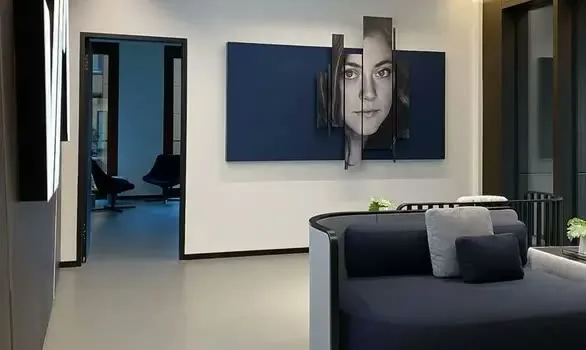

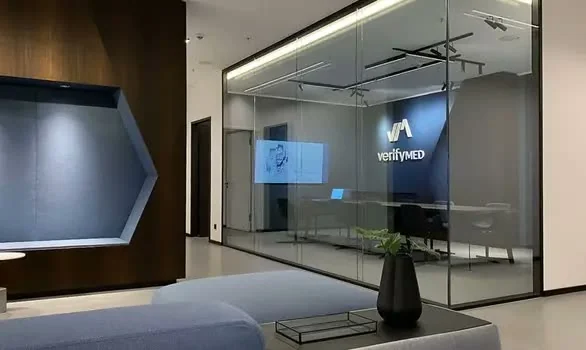
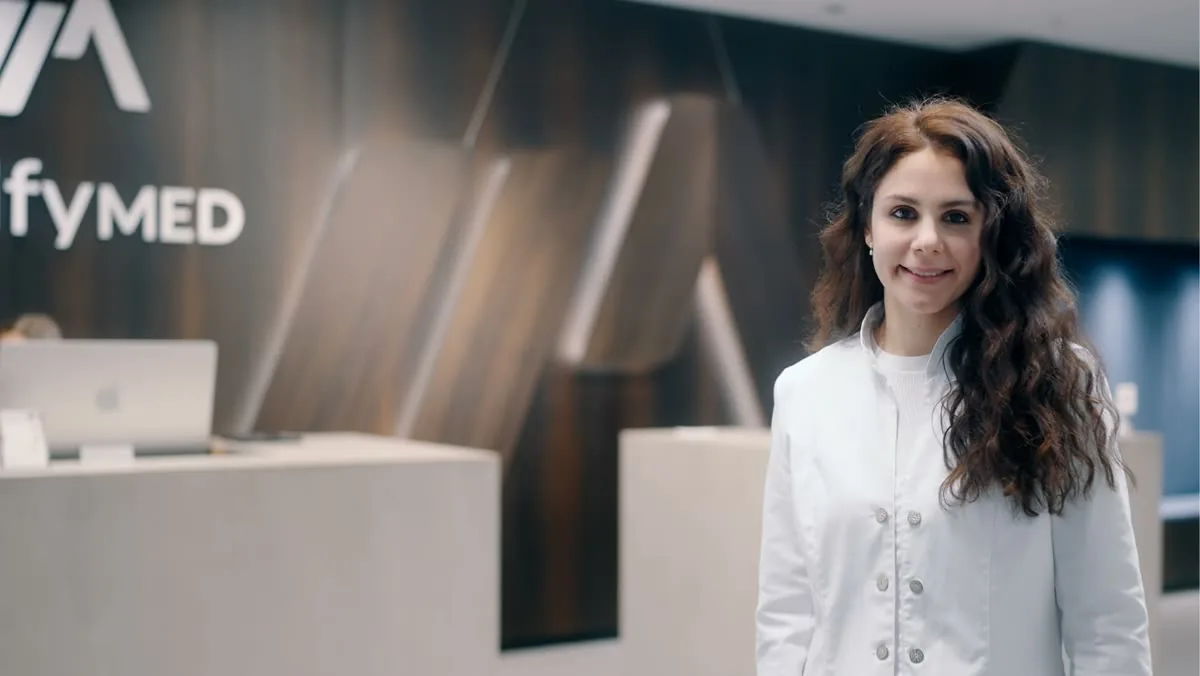


Private practice. Billing under GOÄ.
The examination is billed under the German fee schedule for physicians (GOÄ); Patient Care tells you the guide price for an urgent appointment in advance by phone, from €120 for self-paying patients. Private health insurance and Beihilfe (allowance for German civil servants) usually reimburse. Patients with statutory health insurance pay themselves with us; prescribed drops you receive as a private prescription.
The examination is a medically necessary service that you submit under GOÄ to your private health insurance as usual. You receive prescriptions for drops as a private prescription.
Eligible for Beihilfe under GOÄ; the remaining share is reimbursed by your private supplementary insurance depending on the plan; a co-payment is possible. You receive an invoice that you can submit directly.
dr.vision is a private practice without a statutory insurance license. You pay for the examination yourself; we tell you the amount in advance. You receive prescription-only drops as a private prescription.
More about costs in ophthalmology: What does my insurance pay?
Keep reading.
Related topics, each with Prof. Shajari's assessment and the questions from consultation hours:
Stye, chalazion, eyelid margin inflammation or allergy: what it is and what helps.
To the article AppointmentWhen you can get a short-notice appointment and what counts as a true emergency.
Urgent appointment CauseWhen burning and redness keep coming back, the tear film is often behind it.
To the article ChildrenEye inflammations in children, preventive care and what parents should know.
Learn more Preventive careRetina, lens, eye pressure: the thorough examination once the eye has calmed down again.
To the check-up OverviewAll conditions and examinations at a glance.
To the overviewStill have questions?
 “These are the questions I hear most often about red eyes. Here are our answers.” Senior physician Ivana Pavlovic
That depends on the cause. A bacterial conjunctivitis usually clears up in 2 to 5 days with antibiotic drops, and in about a week without treatment. A viral one lasts longer, often 1 to 3 weeks, and the especially contagious adenovirus form up to 4 weeks. An allergic one usually improves within hours to days, as soon as the trigger is gone or antiallergic drops take effect.
Bacterial: as long as the eye produces pus, usually until about 24 to 48 hours after starting antibiotic drops. Viral: usually as long as the eye waters and is red, with adenoviruses up to 14 days after symptoms begin. Allergic conjunctivitis and conjunctivitis caused by irritation are not contagious.
There is no nationwide uniform rule: conjunctivitis is not on the list in the German Infection Protection Act under which children must stay at home. However, with purulent or viral forms, many daycare centers require that your child stays at home until the eye no longer waters or produces pus, and some require a medical certificate. With the highly contagious adenovirus form, public health offices usually require children to stay at home until it has cleared, often with a medical certificate for returning; it is contagious for up to two weeks. Ask your daycare about its house rule.
With allergic conjunctivitis, yes. With an infectious form it depends on your job: if you work with children, patients, food or a lot of public contact, you should stay at home until the eye no longer waters or produces pus. In an office, consistent hand hygiene and your own towel are often enough. Talk to us about whether a sick note makes sense.
Many cases do. Viral conjunctivitis almost always heals on its own, and antibiotics do not help against it. Mild bacterial forms also often clear up without drops, but faster and with a shorter contagious period with antibiotics. Still, have a red eye checked by an eye doctor so that a more serious cause is not missed; immediately if vision gets worse or there is pain.
Moisturizing drops (artificial tears) without preservatives relieve burning and the feeling of a foreign body in every form. With a known allergy, antiallergic drops from the pharmacy help. Antibiotic and cortisone drops require a prescription, for good reason: cortisone can dangerously worsen a herpes inflammation of the cornea. Vasoconstricting “whitening” drops only mask the redness and are unsuitable for more than a few days.
No. Wear your glasses until it has cleared completely and for about one day beyond that. Throw away daily lenses; after an infectious conjunctivitis it is best to replace monthly lenses and the case. A red eye with pain in contact lens wearers is a reason to see an eye doctor the same day, because a corneal inflammation may be hiding behind it.
No, please do not. Chamomile can further irritate the conjunctiva and trigger allergic reactions, and tea bags are not sterile. Breast milk, saliva or self-made rinses do not belong in the eye either. What helps: cool, clean compresses, sterile saline solution for rinsing and preservative-free artificial tears.
In infants, a watering, sticky eye is often a tear duct that has not yet opened, not an infection. A true conjunctivitis in the first four weeks of life, however, is always a case for the doctor the same day. Older babies and children with a purulent eye should be seen within 24 hours, and with fever or a swollen eyelid the same day. Senior physician Ivana Pavlovic has a focus in pediatric ophthalmology.
Recurring “conjunctivitis” is often not an infection at all, but dry eye, a chronic eyelid margin inflammation, an allergy or a reaction to cosmetics or contact lens care products. Antibiotics then do not help; only treating the cause does. We examine the tear film, eyelid margin and cornea at the slit lamp and find out what is behind it.
Call us: 069 509 586 770, reachable 24 hours. We keep short-notice appointments free for acute symptoms, and the practice is open on Saturdays from 9:00 to 15:00. In case of sudden vision loss, a chemical burn or an injury, please do not wait for an appointment but go directly to the emergency department of an eye hospital.
dr.vision is a private practice without a statutory insurance license. Patients with statutory health insurance pay for the examination themselves, billed under the German fee schedule for physicians (GOÄ). Patient Care tells you the guide price for an acute examination in advance by phone, from €120 for self-paying patients. Patients with private health insurance and those entitled to Beihilfe submit the invoice as usual.
Medically reviewed by Prof. Dr. Mehdi Shajari · As of October 2026
Red eye? We are here for you today.
Fastest by phone: 069 509 586 770, reachable 24 hours. Online you can see the next available appointment. In case of sudden vision loss, a chemical burn or an injury, please go directly to the emergency department of an eye hospital.
In Frankfurt, Junghofstraße 16 · slit lamp and dye test included
Our locations.
 Opening hours
Junghofstraße 16, 60311 Frankfurt am Main
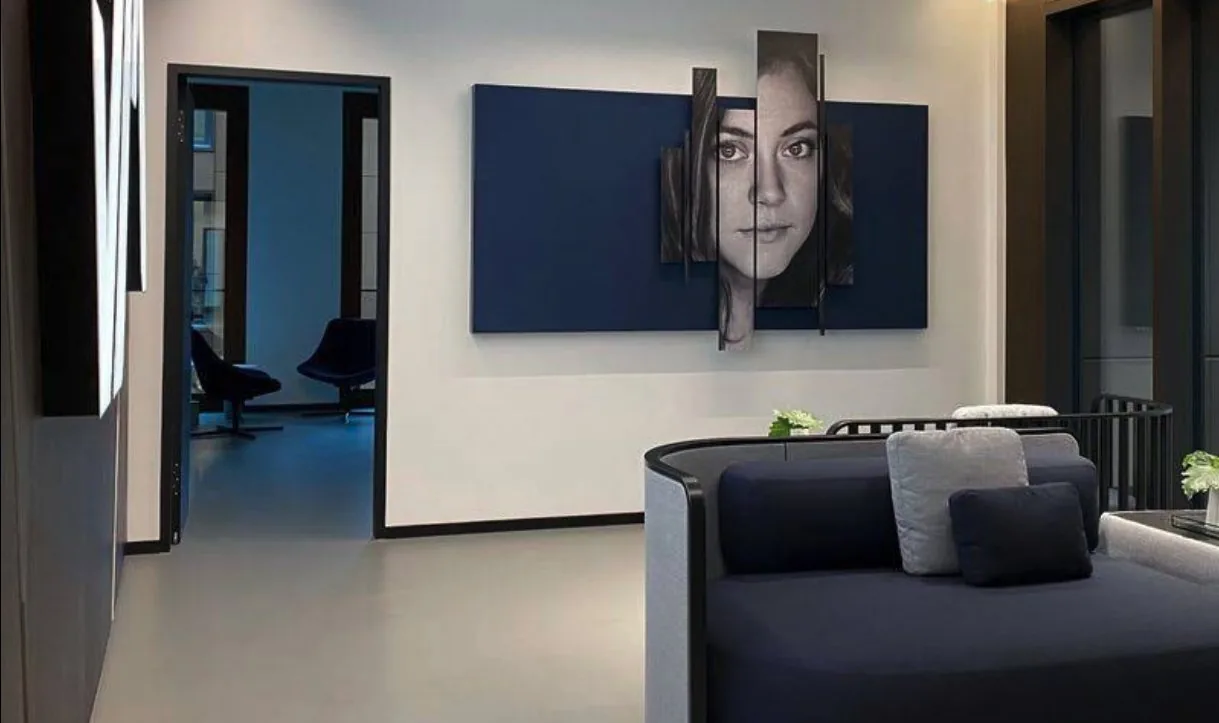 Opening 2027
Breite Straße 69, 40213 Düsseldorf (in the Neuer Stahlhof, corner of Graf-Adolf-Platz)
Until opening: preliminary talk in Frankfurt, Patient Care plans your travel.
Plan route Opening 2027
Lautenschlagerstraße 23, 70173 Stuttgart (2nd floor, step-free access)
Until opening: preliminary talk in Frankfurt, Patient Care plans your travel.
Plan route