 dr.vision
Which laser?
ZEISS VisuMax 800 for SMILE Pro and the cut of the flap (corneal cap), a ZEISS excimer laser for Femto-LASIK, Presbyond and PRK, the SCHWIND ATOS for SmartSight.
Laser by procedureStart here
What suits you?
Find out in 2 minutes which procedure suits your eyes.
Start the Suitability CheckOr by age:
< 45yearsGet rid of glasses & contact lenses 45–64yearsGet rid of reading glasses 65+yearsCataract & glasses-free★★★★★ 5.0 · 376 Google reviews · 20,000+ procedures
Decide well
What you should know beforehand.
Who operates?Prof. Dr. Mehdi ShajariFOCUS Top Doctor · operates on every patient personally What does it cost?Laser from €3,498 · Lenses from €6,886Prices for both eyes Is it safe?Safety & risks When will I be fit again?Work, sports, driving Would you rather read in peace first?Decision Guide Freedom from GlassesProcedures
Laser or lens?
Laser eye surgery
SMILE ProSmartSightFemto-LASIKTrans-PRKPRKPresbyond (laser away your reading glasses)All laser procedures at a glanceLaser procedures compared ›Lens surgery
ICLLens exchange (reading glasses)Cataract surgery with premium lensLens types: trifocal, EDOF, toricLens types compared ›Start here
Something wrong with your eyes?
A thorough eye check-up with us clarifies what is behind it.
Book an eye check-up★★★★★ 5.0 · 376 Google reviews
Technology & diagnostics · Why dr.vision?
Measured, not estimated.
The devices we use to measure, plan, perform laser treatment on and check your eyes afterward: from the ZEISS VisuMax 800 for SMILE Pro and the SCHWIND ATOS for SmartSight to optical biometry for lens calculation. For each device, you will find here what it is for and what it means for you as a patient.
 12× FOCUSTop Doctor
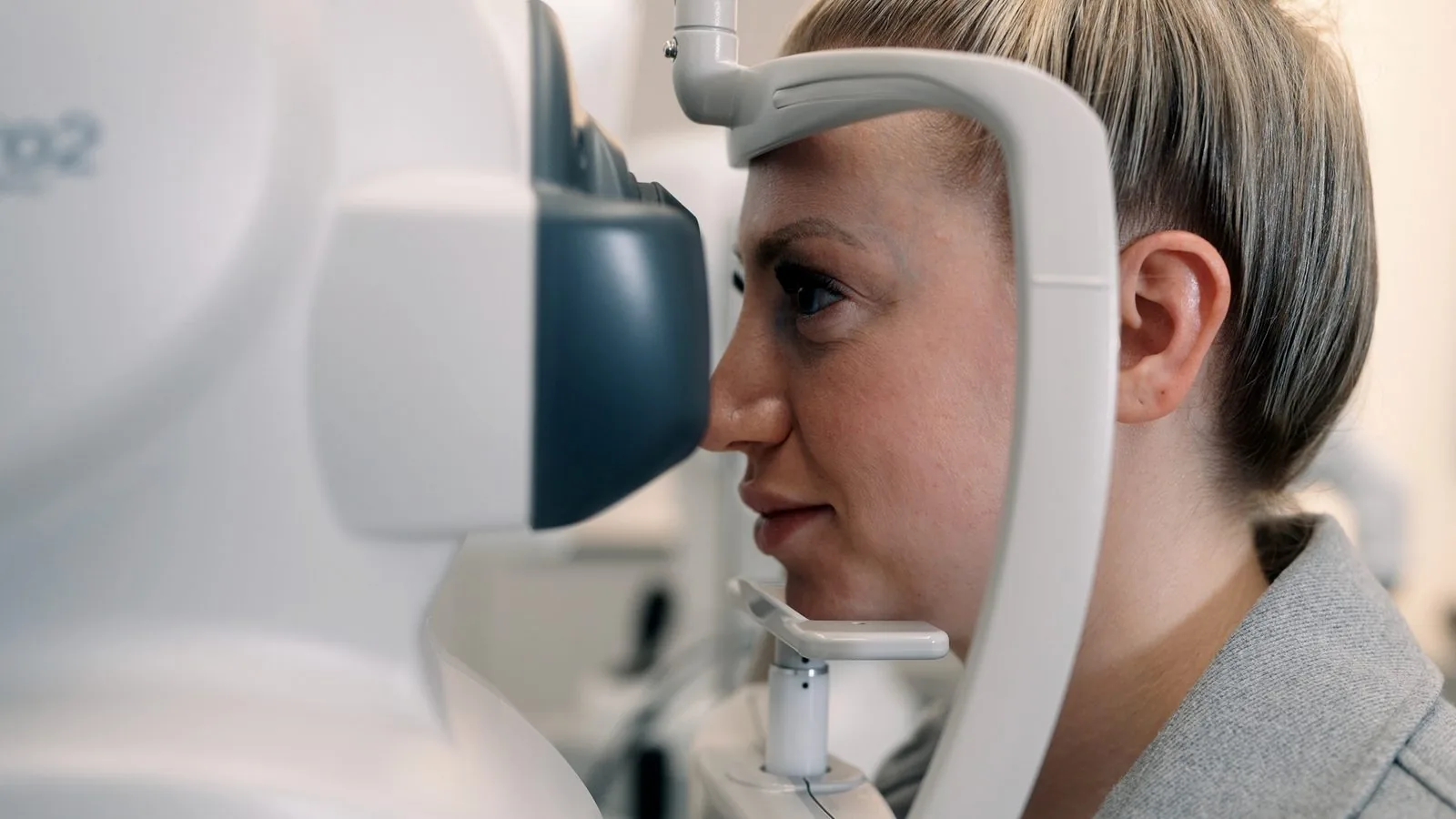
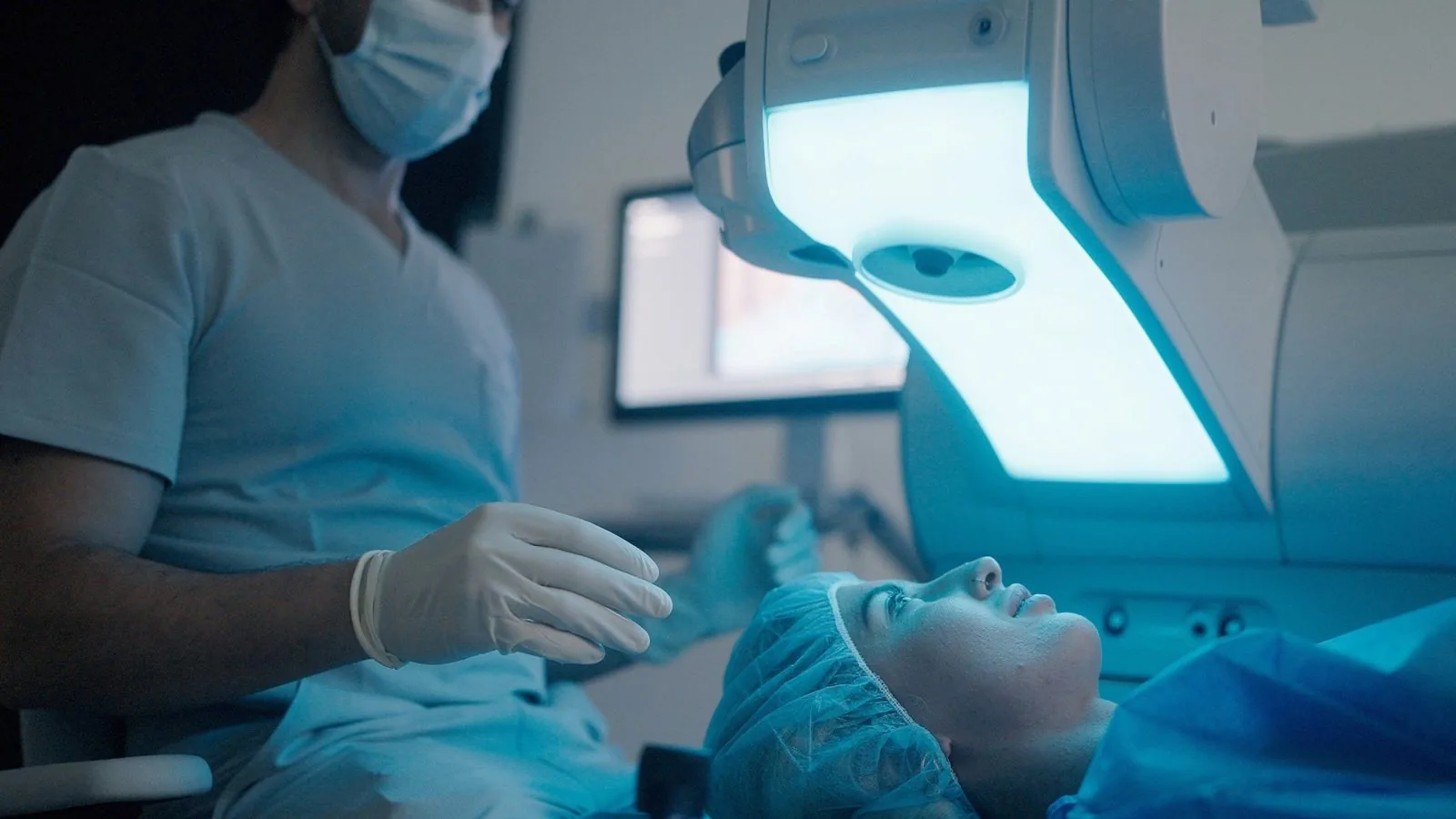
At dr.vision, Prof. Dr. Mehdi Shajari performs laser treatment with the ZEISS VisuMax 800, the femtosecond laser for SMILE Pro and for the incision in Femto-LASIK and Presbyond. For Femto-LASIK, Presbyond and PRK, a ZEISS excimer laser (MEL 90) shapes the cornea. For SmartSight, dr.vision works with the SCHWIND ATOS femtosecond laser. For lens procedures, optical biometry provides the values for the lens power. Before every procedure, we measure the cornea three-dimensionally, check the tear film and retina, and thus rule out risks such as a thin or unstable cornea. Prof. Dr. Mehdi Shajari has performed 20,000+ procedures. The safety rate for procedures performed by Prof. Dr. Mehdi Shajari is 99.9%.
In five answers.
For anyone with three minutes. Each answer leads to the detailed chapter.
ZEISS VisuMax 800 for SMILE Pro and the cut of the flap (corneal cap), a ZEISS excimer laser for Femto-LASIK, Presbyond and PRK, the SCHWIND ATOS for SmartSight.
Laser by procedureCornea in 3D, thickness, tear film, pupil, retina. About 30–45 minutes, usually without dilating drops.
For the pre-operative examinationOptical biometry measures the length of the eye; the power of your artificial lens is calculated from it.
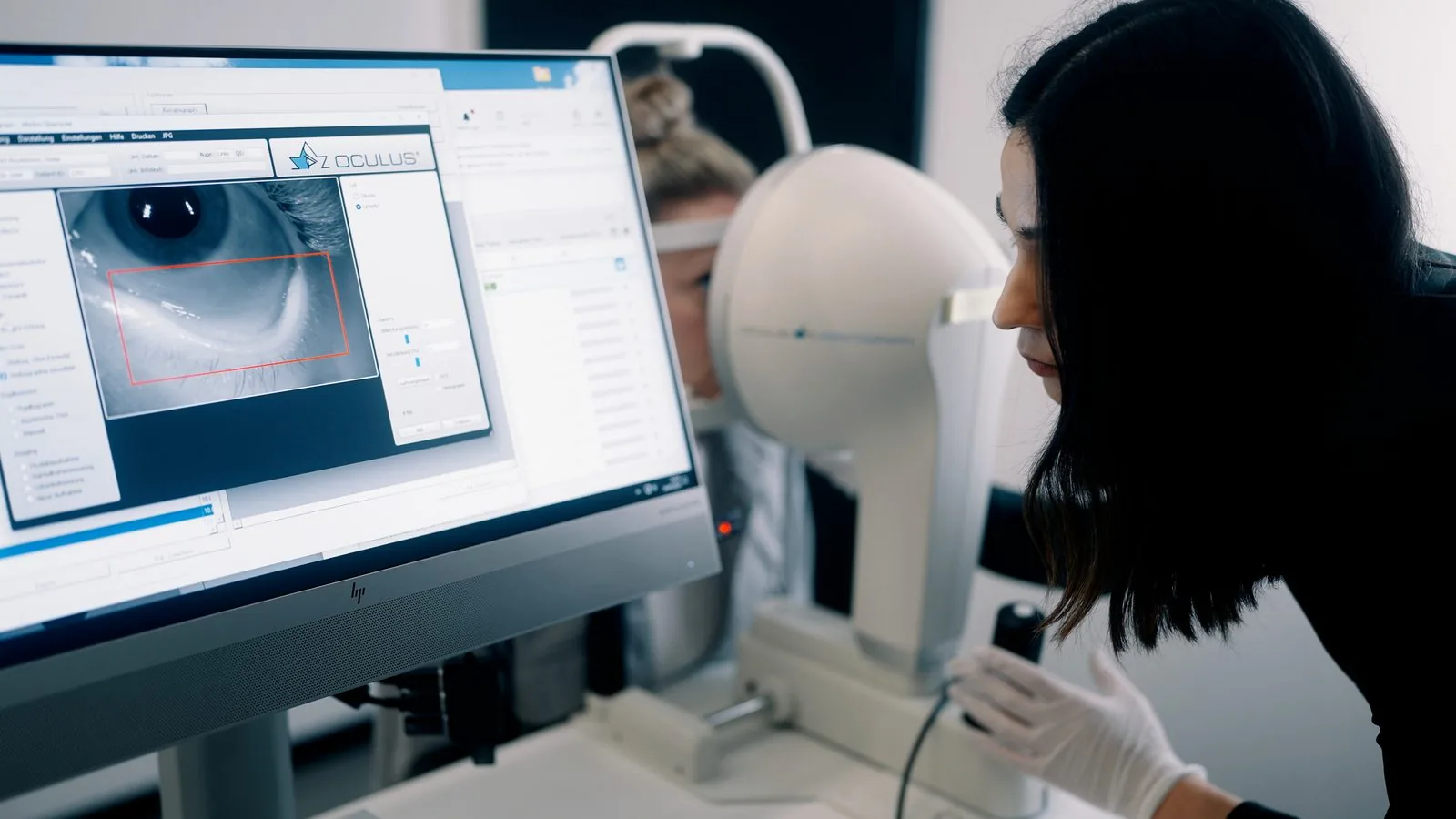
Lens calculationThe Keratograph measures the tear film; OptiLIGHT treats the cause at the eyelid glands.
Tear filmNo. A laser is only as good as the measurement before it and the doctor who operates it. Five questions for every provider.
ChecklistOne device for every question.
On your path at dr.vision, around ten devices are used, most of them before the procedure. Whether laser eye surgery is safe is decided at the measurement: corneal thickness and shape, tear film and retina must be right before a laser starts. Choose a phase of your journey.
| Device | Used for | What it gives you |
|---|---|---|
| Pentacam AXL Wave | 3D tomography of the cornea: front and back surface, thickness at every point, wavefront | Detects a thin or bulging cornea (keratoconus) before laser treatment. If you cannot be treated safely with a laser, you learn it here. |
| Refraction and wavefront analysis | Your diopters, subjective in the vision test and objectively measured, plus higher-order aberrations | The laser corrects exactly the value with which you see best in everyday life. |
| ZEISS ATLAS 500 and Keratograph 5M | Corneal topography, tear film break-up time, meibomian glands | A dry eye is detected and treated beforehand instead of surprising you after the procedure. |
| Endothelial cell microscopy | Counts the cells on the back of the cornea | Important before ICL and lens surgery: a weak cell layer changes the recommendation. |
| Retinal OCT and ZEISS CLARUS 500 | Cross-sectional image of the center of the retina; wide-angle photo of the retina, often without dilating drops | Retinal damage, tears or a macular disease are found before surgery. Without dilating drops, you can usually drive home yourself. |
| Device | Used for | What it gives you |
|---|---|---|
| Optical biometry | Eye length, corneal curvature, anterior chamber, lens thickness | The power of your artificial lens in lens exchange or cataract surgery is measured, not estimated. |
| Treatment plan by Prof. Dr. Mehdi Shajari | All measurements together, compared with our own results (SMILE Pro, n = 412) | Your plan takes into account how eyes like yours actually healed with us: 94% were within ±0.5 D of the target. |
| Device | Used for | What it gives you |
|---|---|---|
| ZEISS VisuMax 800 | Femtosecond laser: lenticule in SMILE Pro, flap in Femto-LASIK and Presbyond | SMILE Pro without a corneal cap through a small access; short laser time of about 8 seconds per eye. |
| ZEISS excimer laser MEL 90 | Shapes the cornea with UV light, with eye tracking | For Femto-LASIK, Presbyond and PRK. It makes farsightedness and presbyopia treatable, which SMILE Pro does not cover. |
| SCHWIND ATOS | Femtosecond laser for SmartSight (lenticule procedure) | SmartSight without a corneal cap through a small access. The laser actively compensates for the rotation of the eye when lying down. |
| Device | Used for | What it gives you |
|---|---|---|
| Slit lamp, Pentacam, OCT | The same measurements as before, on the day after the procedure, after about a week and at the final follow-up check | Deviations are noticed early because we compare with your own baseline values. |
| OptiLIGHT (Lumenis) | Light therapy (IPL) at the eyelid glands | If your eyes stay dry for longer after the procedure, there is a treatment beyond drops. |
Because it makes SMILE Pro possible.
The VisuMax 800 is the ZEISS femtosecond laser with which SMILE Pro is performed. It creates the lenticle (the disc of tissue) in about 8 seconds per eye; with its predecessor, the VisuMax 500, that took about 25–30 seconds. A shorter laser time means shorter suction and shorter time holding still.
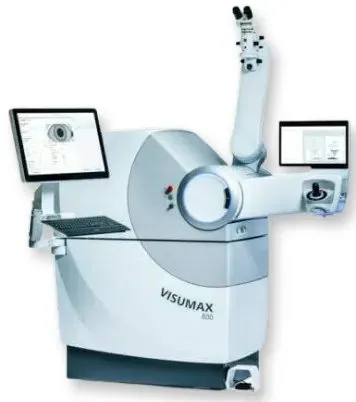
| Role | Specification | What it gives you |
|---|---|---|
| Laser time per eye | about 8 s per eye | Less time under the suction ring, less feeling of pressure |
| Access in SMILE Pro | 2–3 mm | No corneal cap that can slip; corneal nerves are largely preserved |
| Compensation for eye rotation | at docking (manufacturer's specification) | More accurate axis in astigmatism |
| Safety stop | if the suction is released, the laser stops | A movement does not lead to a wrong cut |
| Use at dr.vision | SMILE Pro, flap in Femto-LASIK and Presbyond | A laser that Prof. Dr. Mehdi Shajari operates himself |
Both devices work on the same principle: a femtosecond laser separates a thin disc (lenticule) inside the cornea, which is removed through a small access. The VisuMax 800 is the newer generation. SMILE Pro is the name for SMILE on the VisuMax 800.
What you notice: the actual laser time is shorter, and the suction ring stays on the eye for a shorter time. What you do not notice, but what matters: centering aids and compensation for eye rotation during docking. Whether your result is better than with the predecessor depends mainly on measurement, planning and experience. Our own figures with the VisuMax 800: 96% full visual acuity after three months, 0.6% enhancement (n = 412, 01/2024–01/2026).
With the VisuMax 800, the eye is held by a contact glass with gentle suction. If the suction is released, the laser stops. With excimer lasers, an eye tracker follows the eye's movement. More on safety and the emergency plan on the page Safety & aftercare.
Each procedure, its own device.
SMILE Pro needs only one laser, the VisuMax 800. Femto-LASIK and Presbyond need two: the VisuMax 800 for the incision and an excimer laser for the shaping. PRK needs only the excimer laser. SmartSight also needs only one laser, the SCHWIND ATOS. ICL and lens exchange are not laser procedures on the cornea; here, optical biometry is what counts.
| Procedures | Device(s) | Incision | Especially suited for | More |
|---|---|---|---|---|
| SMILE Pro | ZEISS VisuMax 800 | small access, 2–3 mm, no flap | Nearsightedness up to −8 D, astigmatism up to 5 D, sports, dry eyes | SMILE Pro |
| Femto-LASIK | ZEISS VisuMax 800 + ZEISS MEL 90 | Flap, approx. 0.1 mm | Farsightedness, mixed values, high astigmatism | Femto-LASIK |
| Presbyond | ZEISS VisuMax 800 + ZEISS MEL 90 | Flap | Presbyopia from about 45 (blended vision) | Presbyond |
| Trans-PRK / PRK | ZEISS MEL 90 | no incision, surface | Thin cornea, combat sports, enhancement | Trans-PRK |
| SmartSight | SCHWIND ATOS | small access, no flap | Nearsightedness up to −8 D, astigmatism up to 5 D, compensation for eye rotation | SmartSight |
| ICL | no corneal laser; biometry, endothelial microscopy, surgical microscope | 2.5 mm access at the corneal edge | from −6 D, thin cornea | ICL |
| Lens exchange / cataract | Optical biometry, Pentacam, OCT | small access at the edge of the cornea | from about 45, cataract | Lens exchange |
Swipe the table sideways →
A femtosecond laser works with extremely short light pulses inside the tissue. It cuts: the lenticule in SMILE Pro or the flap in Femto-LASIK. An excimer laser works with ultraviolet light on the surface and removes tissue with micrometer precision. It shapes the cornea in LASIK, PRK and Presbyond. With SMILE Pro, the femtosecond laser does both, which is why one device is enough.
No procedure suits everyone. SMILE Pro does not treat farsightedness, PRK is the gentlest on the cornea but takes longer to heal, and at very high values, no laser treatment is the best choice but the ICL. Whoever has only one device has to make every eye fit it. You will find the comparison of all procedures under Laser procedures compared.

Which technology suits your eyes?
The measurements show that, not the name of the device.
Jana from our Patient Care team arranges your pre-operative examination with Prof. Dr. Mehdi Shajari. Please bring your glasses and, if available, previous findings. Phone available 24 hours, WhatsApp Mon–Fri 8:00–19:00, Sat 9:00–15:00.
Five questions before a laser starts.
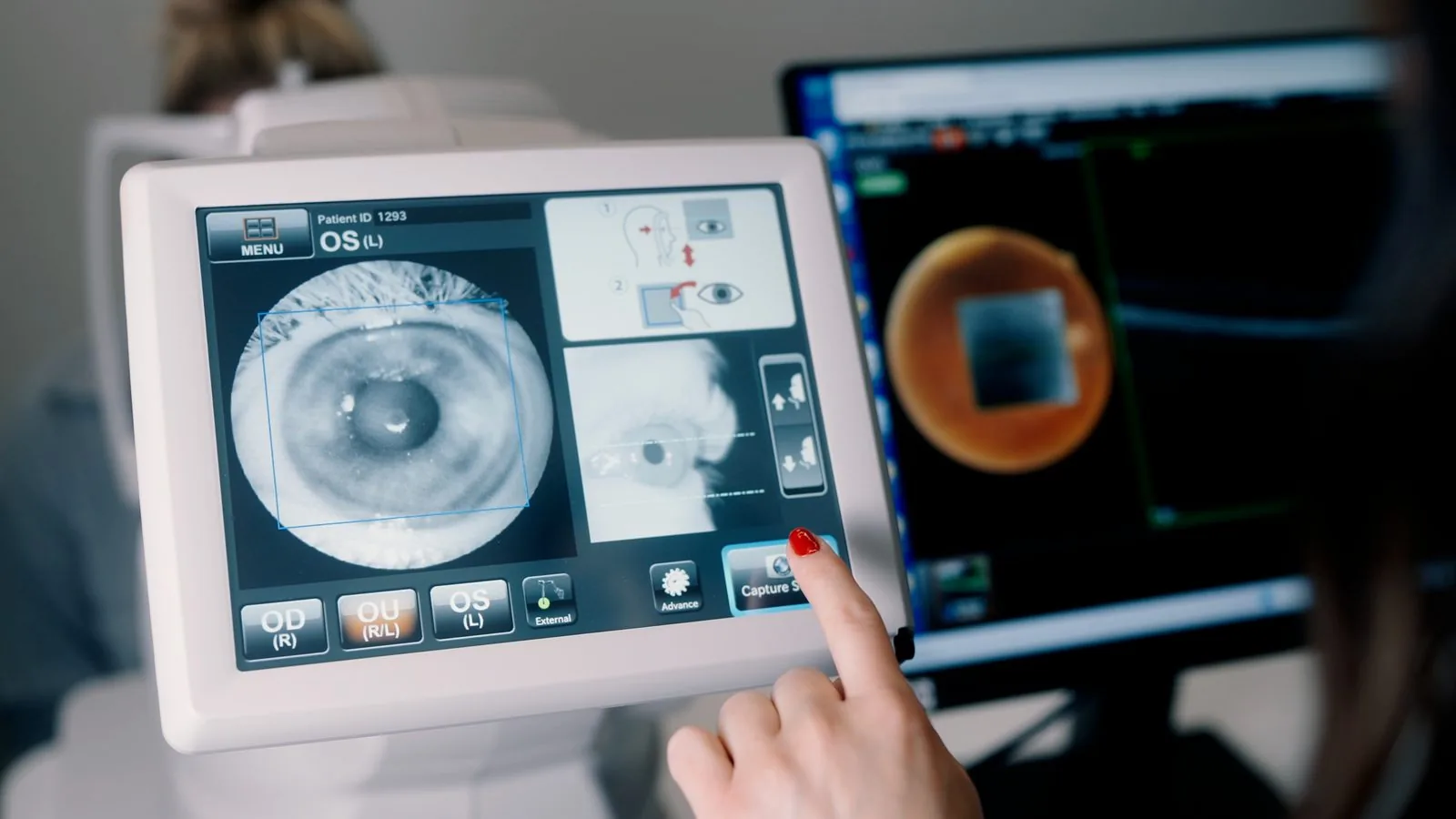
The pre-operative examination takes about 30–45 minutes and answers five questions: How strong is the refractive error, is the cornea thick and stable enough, is the tear film healthy, is the retina in order, and which procedure is suitable. Dilating drops are usually not needed for the standard pre-operative examination.
Refraction (vision test), measured subjectively and objectively, plus wavefront. Repeated several times, because fluctuating values point to contact lenses or dry eyes.
Pentacam tomography of the front and back surface and the thickness at every point. According to the Kommission Refraktive Chirurgie (KRC), at least 250 µm of cornea must remain under the treated zone after the laser treatment.
Keratograph: tear break-up time, tear volume, meibomian glands. We treat dry eye before the procedure.
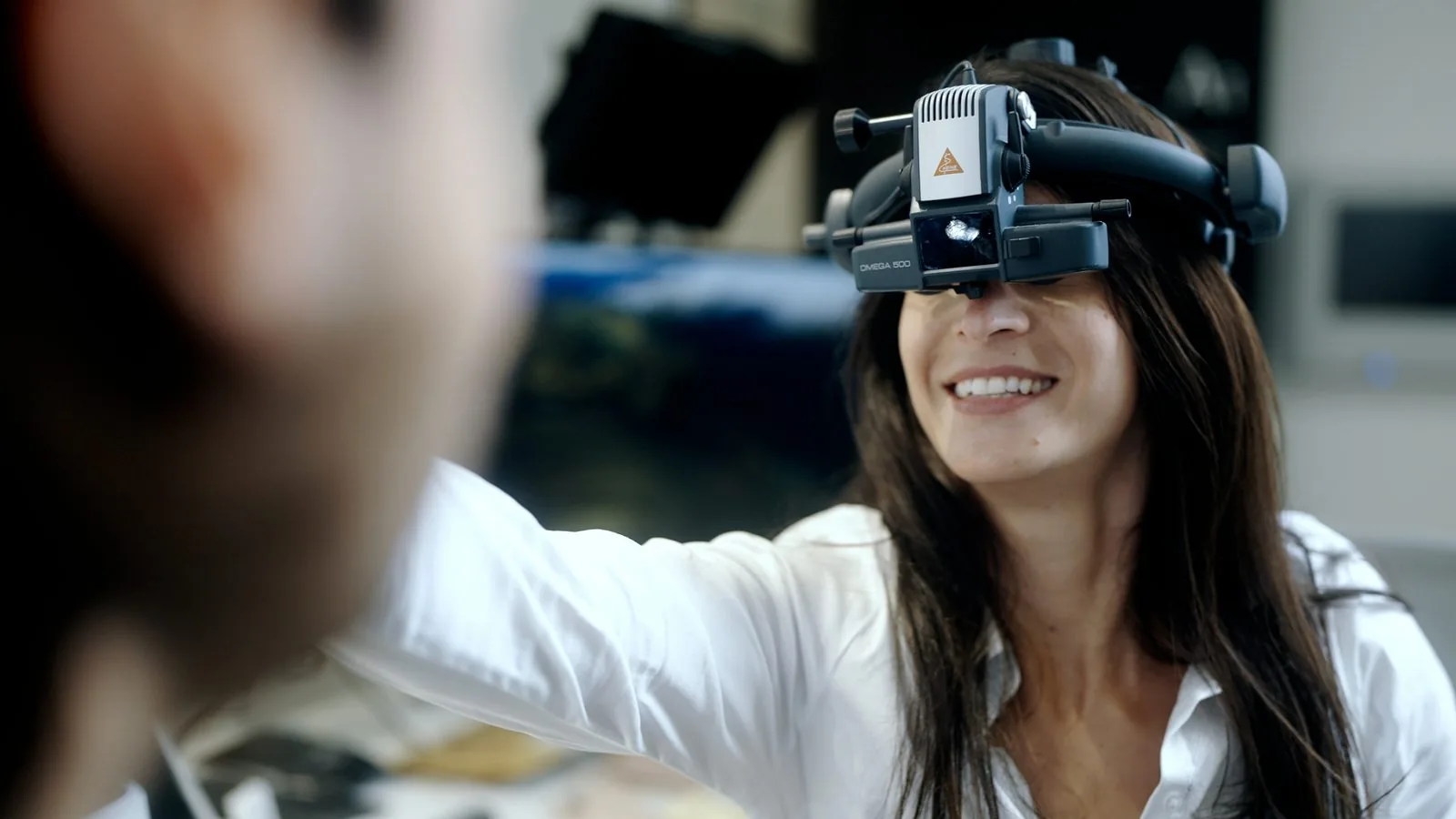
OCT of the center of the retina and a wide-field image with the CLARUS 500. Especially with strong nearsightedness the retina is thinner and is examined closely.
Prof. Dr. Mehdi Shajari discusses the values with you and recommends a procedure, or advises against one. That, too, is a result.
Leave out contact lenses 10–14 days before the pre-operative examination. 3 days without contact lenses before the procedure. Bring your glasses and findings. You will find the exact plan under Process.
Most serious complications of laser eye surgery can be avoided through selection. The feared corneal bulging (ectasia) almost always occurs in eyes whose cornea was already too thin or irregular beforehand. The Pentacam shows such early signs before you notice anything yourself. That is why a thorough pre-operative examination is the most important safety step; more on Safety & aftercare.
Usually yes, because for the standard pre-operative examination we usually do not use dilating drops and look at the retina with the wide-field device. If pupil dilation is needed in an individual case after all, we tell you beforehand; you then must not drive yourself for a few hours.
Measured optically. Calculated carefully.
For lens procedures, the measurement determines the result. Optical biometry measures the length of the eye without contact, using light, along with corneal curvature, anterior chamber depth and lens thickness. The power of the artificial lens is calculated from these values.
| Measurement | Device | Used for | For |
|---|---|---|---|
| Eye length, curvature, anterior chamber | Optical biometry | Power of the artificial lens | Lens exchange, cataract |
| Back surface of the cornea, astigmatism | Pentacam AXL Wave | toric lens yes or no, axis | Lens exchange, cataract, ICL |
| Anterior chamber depth and width | Pentacam, biometry | Room for the ICL, correct lens size | ICL |
| Corneal endothelium | Endothelial cell microscopy | Can the cornea tolerate a lens in the eye? | ICL, lens surgery |
| Center of the retina (macula) | Retinal OCT | Expected visual result; suitability for trifocal lenses | Lens exchange, cataract |
Which lens suits you is explained on the pages Lens types compared and ICL.
Measured, not estimated.
dr.vision measures the tear film before the procedure with the Keratograph 5M and treats a disorder of the eyelid glands with OptiLIGHT, a light therapy, before or after laser treatment. Dry eyes are the most common side effect after laser eye surgery: after SMILE Pro in about 3 in 10 in the first weeks.
Measures how quickly the tear film breaks up, how much tear fluid is present and what the meibomian glands look like. The course can be compared over time, also after the procedure.
Light pulses (IPL) below the eye improve the function of the eyelid margin glands.
Causes, course and treatment on Dry eyes after laser eye surgery and OptiLIGHT.
Both matter. Ask.
A new laser is a good sign, but not proof. A result comes from measurement, planning, device and experience. You can ask these five questions of any provider, including us. The answers from dr.vision are next to them.
| Ask | Why it matters | At dr.vision |
|---|---|---|
| Which laser will I be treated with, and since when? | Older devices (such as the VisuMax 500) are not bad, but slower | ZEISS VisuMax 800 and excimer laser from ZEISS, for SmartSight SCHWIND ATOS |
| Is the cornea measured three-dimensionally, front and back surface? | Only this way are early forms of keratoconus noticed | Yes, Pentacam tomography at every pre-operative examination |
| Is the tear film measured and treated beforehand? | Dry eyes distort the measurement and heal more slowly | Yes, Keratograph; treatment before the procedure |
| Who measures, who advises, who operates the laser? | Changing contact persons lose details | Prof. Dr. Mehdi Shajari advises and performs the laser treatment himself |
| Are there own results with case numbers and time period? | Without n and time period, a percentage cannot be compared | 96% full visual acuity after 3 months, n = 412, 01/2024–01/2026 |
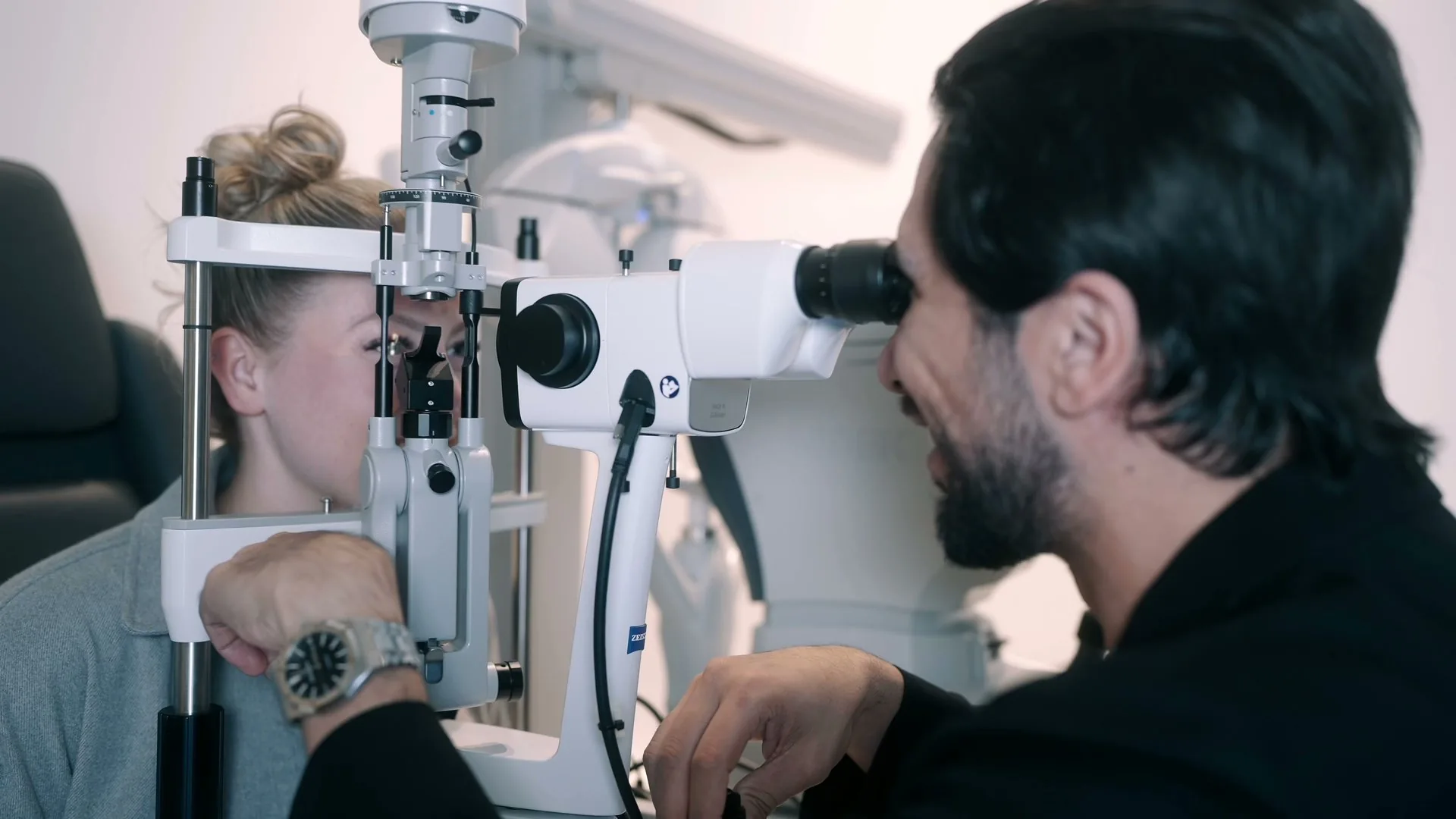
So that you do not have to guess.
Every measurement we make before the procedure is a question we do not have to ask after the procedure. Prof. Dr. Mehdi Shajari has performed 20,000+ procedures. The safety rate for procedures by Prof. Dr. Mehdi Shajari is 99.9%.
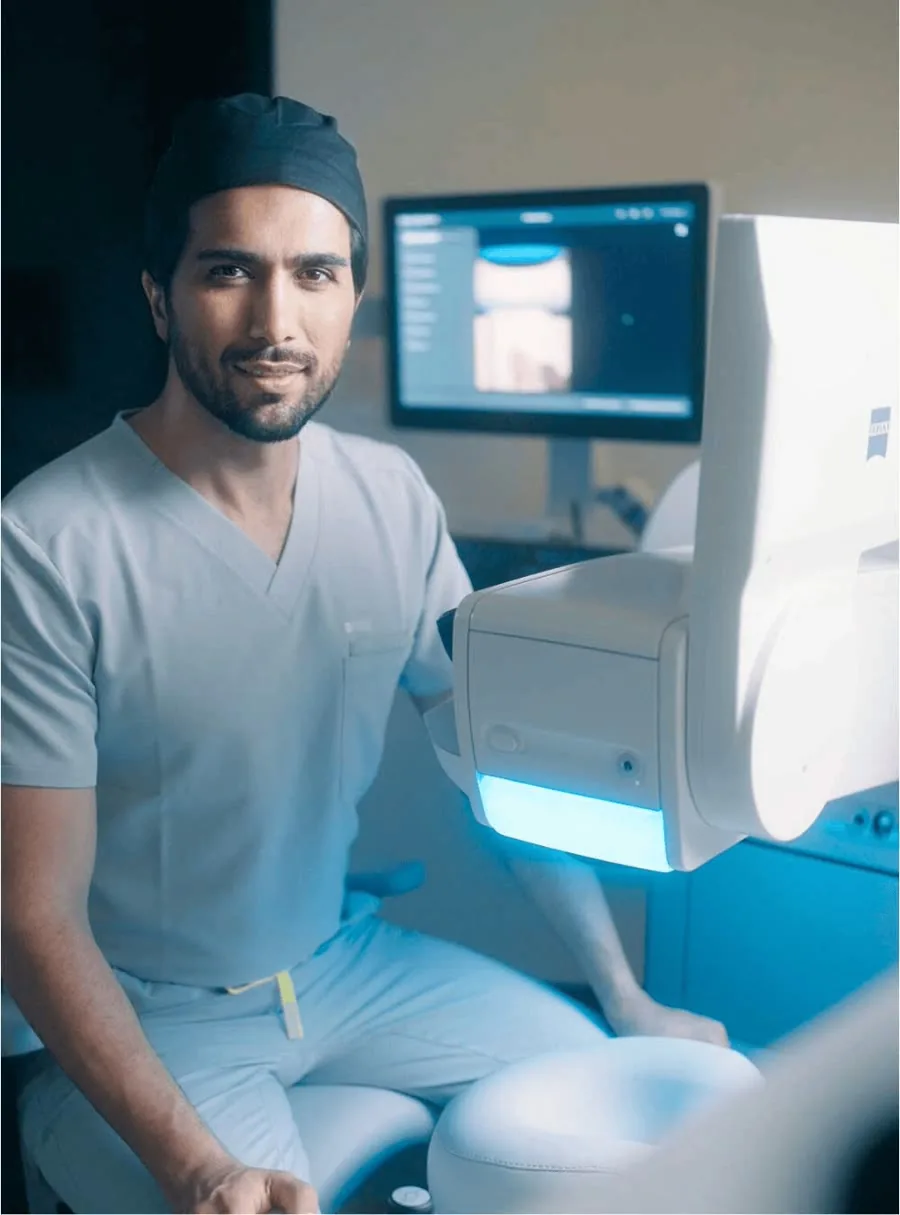
Prof. Dr. Mehdi Shajari. Personally.
Prof. Dr. Mehdi Shajari operates on every patient himself. He is a specialist in ophthalmology with professorship and habilitation at the University of Frankfurt and 12× FOCUS Top Doctor. He evaluates your measurements himself, plans the procedure and performs the laser treatment on the ZEISS VisuMax 800. He has performed 20,000+ procedures.
At dr.vision
Whoever examines you beforehand also operates on you: Prof. Dr. Mehdi Shajari in person.
All devices for the pre-operative examination are in the practice. No referral, no second appointment elsewhere.
We evaluate our SMILE Pro procedures and plan with this data: 94% within ±0.5 D of the target.
If the measurement shows a cornea that is too thin or irregular, we advise against laser treatment and name alternatives.
Go deeper.
This page shows the technology. How it is used in the procedure and in the process:
Laser eye surgery without a flap on the ZEISS VisuMax 800.
To SMILE ProProceduresTwo lasers in tandem, also for farsightedness.
To Femto-LASIKTrustSafety chain, emergency plan, availability after the procedure.
Learn moreTrustFrom the pre-operative examination to the final check, appointment by appointment.
To the processComparisonSMILE Pro/SmartSight, Femto-LASIK, PRK and ICL in one table.
Read the comparisonPreventive careThe same diagnostics for healthy eyes: retina, optic nerve, tear film.
To the check-up376 reviews. Average 5.0.
376 Google reviews give dr.vision an average of 5.0 out of 5 stars. dr.vision does not check whether Google reviews come from treated patients.
“Quick and uncomplicated appointment booking, a very stylish practice with the most modern devices and an extremely likeable and knowledgeable doctor: I felt very well looked after from the start with Dr. Shajari!”
“On arrival I was immediately impressed by the modernity and elegance of his practice as well as the state-of-the-art medical technology.”
“Fantastic service from the staff, the most modern devices and a very good eye doctor.”
“The whole team is extremely professional and efficient. They use the most modern diagnostic devices for various measurements, which made me feel confident that I was receiving a truly comprehensive eye examination.”
Four patients. In their own words.
Less than 24h after surgery, better than ever.
It was a very good decision to come here.
Thought about it for years – today just glad.
Could not distinguish shampoo.
Still have questions?
The questions patients ask most often about this during consultation hours. Prof. Dr. Mehdi Shajari
With the ZEISS VisuMax 800, a femtosecond laser, for SMILE Pro and for the cut in Femto-LASIK and Presbyond. For Femto-LASIK, Presbyond and PRK, an excimer laser from ZEISS (MEL 90) shapes the cornea.
Mainly the shorter laser time: the lenticule is created in about 8 seconds per eye, whereas the predecessor VisuMax 500 took about 25–30 seconds. In addition there are centering aids and compensation for eye rotation when the suction ring is applied. The result, however, depends just as much on measurement and experience.
Yes. For SmartSight, dr.vision works with the SCHWIND ATOS femtosecond laser. SmartSight is a lenticule procedure like SMILE Pro. Which of the two procedures suits your eyes, we clarify at the pre-operative examination.
With the VisuMax 800, a contact glass holds the eye with gentle suction. If the suction is released, the laser stops. With excimer lasers, an eye tracker follows the eye movement. Small movements are normal and not a problem.
Allow about 30–45 minutes. Measured are your refractive power, the cornea in 3D and its thickness, tear film, pupil and retina. Afterward, Prof. Dr. Mehdi Shajari discusses the result with you.
Usually not. We look at the retina with a wide-field device (ZEISS CLARUS 500) that works without dilating drops. In individual cases pupil dilation is needed; you then must not drive yourself for a few hours.
10–14 days before the pre-operative examination and 3 days before the procedure. Contact lenses slightly deform the cornea, and the measurement should show its natural shape. Patient Care will tell you the exact period when you book your appointment.
Optical biometry measures eye length, corneal curvature, anterior chamber depth and lens thickness, without contact. The lens power is calculated from these; the Pentacam adds the back surface of the cornea for toric lenses.
No. Technology improves measurement and precision, but the result also depends on healing. That is why we give our own figures with the number of cases: 96% full visual acuity after three months and 0.6% enhancement in 412 SMILE Pro eyes.
Medically reviewed by Prof. Dr. Mehdi Shajari · As of October 2026
Not ready yet? Everything important to read again and to pass on.
Arrives by e-mail in about 60 seconds. No newsletter, just the guide and, if you wish, a follow-up from Patient Care. Privacy policy
How would you like to continue?
You arrange the pre-operative examination by telephone or online. At the pre-operative examination, we measure your eyes with all the devices on this page and tell you which procedure suits you, or that none does. You go home with your measurements and a written recommendation.
In Frankfurt, Junghofstraße 16 · detailed pre-operative examination with Prof. Dr. Mehdi Shajari
Our locations.
 Opening hours
Junghofstraße 16, 60311 Frankfurt am Main
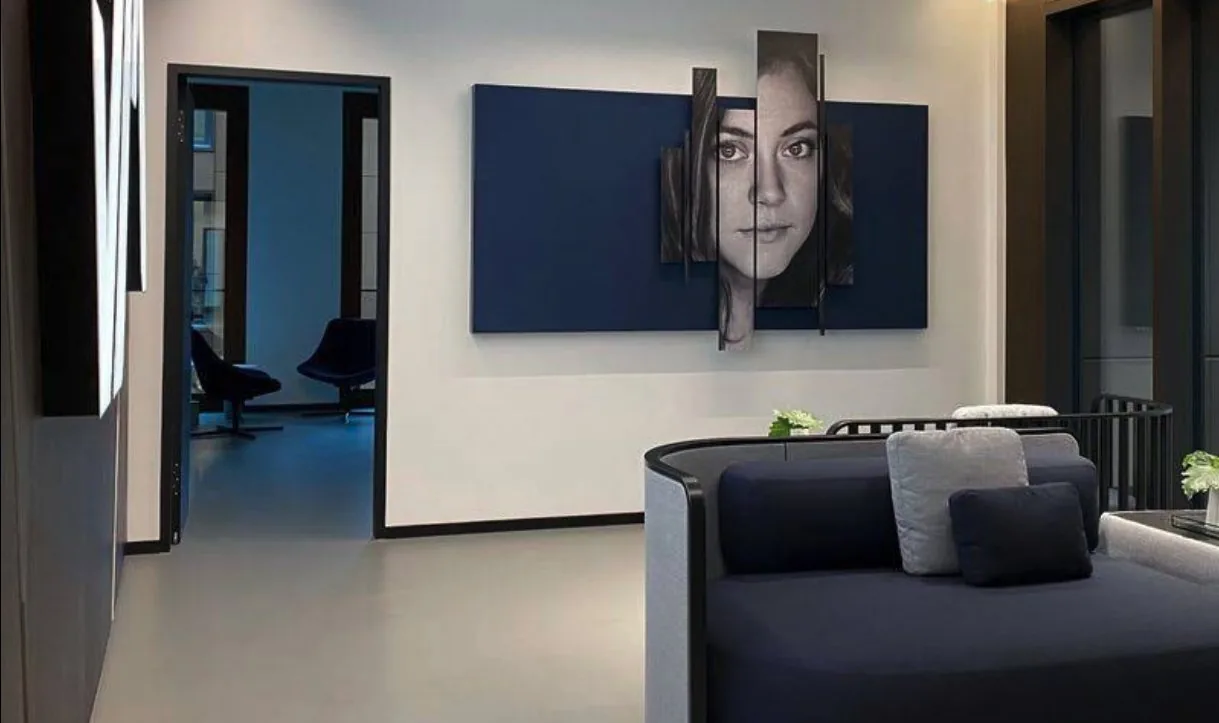 Opening 2027
Breite Straße 69, 40213 Düsseldorf (in the Neuer Stahlhof, corner of Graf-Adolf-Platz)
Until opening: preliminary talk in Frankfurt, Patient Care plans your travel.
Plan route Opening 2027
Lautenschlagerstraße 23, 70173 Stuttgart (2nd floor, step-free access)
Until opening: preliminary talk in Frankfurt, Patient Care plans your travel.
Plan routeI'm Duilio, I'm 22 years old. I was nearsighted before, with a prescription of minus 4.75. I actually looked into laser eye surgery a few years ago. But this practice didn't exist yet back then, and I informed myself a bit about it, and now I've finally come to the conclusion to have my eyes lasered.
So there was a free initial consultation here. I came here, first took a look at the practice, and I found the technology to be state of the art, and I also found Professor Shajari to be a very empathetic and very likable doctor, also very young, and so I then decided to have my eyes lasered here.
So the process was actually quite simple. You first came into a small room, where the eyes were cleaned a little, it burned briefly and then they were numbed and that was it. They were numbed with eye drops and then it went straight to the operating room and right there I was laid on the bed of the laser, the Carl ZEISS VisuMax 800, which is the newest laser, and then he actually started operating right away. I think I was only in the operating room for 15 to 20 minutes in total, while the laser itself took about ten seconds per eye.
Right, so after the surgery I got up first and couldn't see very sharply yet. I saw it as if it were milky cloudy. So my vision was milky cloudy, as if you were looking through a plastic cup when you hold it in front of your eyes. But I could already see better, or at least I had the feeling that I could already see almost better than I did before without glasses.
When I came for the follow-up check the day after, the optician took off the protective glasses and then I could really see, I saw him clearly, I saw the devices clearly, we did the tests, he said yes, you are at 100 percent in one eye, 125 percent in the other, exactly, so it was a great feeling, I then took out my sunglasses right away, because the sun was shining that day, and I went for a little walk through downtown Frankfurt. It was very nice, as I said, to see everything clearly without glasses not even 24 hours after the surgery, I think it was about half a day, 13, 14 hours after the surgery, yes, so it was really great.
I’m Teresa Schwenger, I’m 31 years old, I’m a project manager. I was nearsighted, so I didn’t see well at a distance, and at some point it was just super annoying with contact lenses, putting them in every morning, taking them out again in the evening. I think I wore contact lenses for about ten years, and then I also had the problem that my eye was no longer supplied with oxygen so well, which is why the little vessels grew further into the eye, and so I looked around for an alternative. Glasses were not an alternative for me, because I simply don’t like myself in glasses. It was always an issue with the swimming pool or the lake or the sea. Do you put your contact lenses in, can you dive, do you maybe lose a contact lens, and that was always really annoying. Or also when you stayed somewhere overnight, you always had your little contact lens case, your solutions and care products, which you had to take along, always a whole pack just for the contact lenses. I always found that very annoying, and also on long days, when I had put my contact lenses in very early, in the evening while watching TV I noticed, oh, this really annoys me now, I would like to take them out, and then watching TV with glasses on a couch, really very uncomfortable, and so that was a situation where I am now grateful that I will hopefully or probably never have them again.
And then I looked at which doctors in this area offer laser eye surgery, and I read through lots of reviews and looked at who is very good here. And the doctor here is really rated very, very highly, and I had a totally likeable first conversation with him and felt comfortable right away. I also saw all his awards, the FOCUS awards and so on, which reinforced my impression, and also lots of positive reviews, which I can confirm. So you feel very comfortable, and the work here is very professional. So it was a very good decision to come here, definitely.
Not quite so good. I was very nervous, had many worries and fears too. I would have liked to leave again right away on the day when I was sitting here. But I was received super kindly and warmly. Everything was explained to me well. Everyone was very warm, and they took the nervousness away. So I felt I was in good hands, and when it then started, the nervousness was already a bit less, because I knew that I was simply in good hands.
So I simply arranged the appointment, the first appointment, online, and then I got a call asking me to please stop wearing contact lenses from that point on, so that the eyes are already free of contact lenses, because things can still change there. Then the parking garage is right next door, you walk in here, and it is a very beautiful building and a very beautiful practice, definitely. I was welcomed warmly right away by the receptionists. Everything was explained to me well right away. I was given water and everything. Then I had the first tests. I was totally amazed at how many tests were done and with which devices. It's really incredible what names are on the devices and how expensive these devices are. But really everything was measured that I think can be measured in an eye. Then I had the conversation with the doctor. That was also really great, warm. He answered all the questions I had and took the time for me. I then said I would rather sleep on it for another night, because I am simply the type of person who plays it safe. But at home I actually already knew that I would like to have it done. The next day I called again and made a second appointment. The eyes were checked once more, again with a colleague of the doctor and with him. And then I had another informed-consent talk about what risks there are. I was able to ask my questions again and then got my treatment appointment very quickly. And on the day of the treatment, as I said, I was already here super nervous, but I was also welcomed very warmly. Many of my worries and fears were taken away.
Yes, exactly. So I got up this morning and I could see right away. That was my biggest worry, that I would no longer be able to see as I did before, but I could see perfectly right away. I also saw at a distance again. That was the exciting part in my case. I looked out of the window and also noticed the trees farther away. The outlines, which I otherwise always saw only like this, were clear and distinct. So it really is a change right away. I notice it totally, and it’s super nice.
Definitely, yes, absolutely. I felt super comfortable from the first second to the last. So definitely, if I ever have laser treatment again, then definitely here. I can only recommend it to everyone.
Yes, I definitely should have done it earlier, that's true, because I believe it really gives you a lot of quality of life back, and it is also good for the eyes. Of course, there is the treatment itself, but in the long run, as it was with me, because of the contact lenses, I had these tiny blood vessels, or I have them in my eye, because the eyes were not supplied well. Had I done this earlier with the lasers, it might not be as pronounced. So my appeal would be to do it earlier rather than too late.
My name is Andreas Feiner. I am 45 years old and I am a consultant. I could see relatively little. I was very nearsighted and had developed presbyopia.
So it was always relatively unpleasant to be out and about without glasses or without a vision aid. I talked with a few doctors, and for most of them it was a sales pitch, as if they were at a Tupperware party. I didn't like that. What I liked here is that I came with an idea that the professor said he would not do with me because I was still too young and it might cause problems later. That gave me trust.
It was a very, very good impression. But that is not so important for me anyway. I think what was very, very good was, in the end, the examination beforehand, the explanation of everything and then also the procedure itself. Practically back to normal right afterward. You wear an eye patch for one day, but it is like a window.
You can already sense that it has gotten better. And I had no pain. To get informed far enough that you feel comfortable with it. Because it is a procedure on the eyes. And that was something that was a big decision for me.
I carried this around with me for many years. And it was important for me that I could feel reasonably comfortable with it. Thank you.
Yes, my name is Martina Franke. I was born in 1966 and I did not want to admit it, but I actually saw very badly before the surgery. So that when I had my care products in the bathroom, I no longer knew whether I had the shampoo in my hand or the conditioner. That is, how often did it happen to me that I put shampoo in my hair twice although I needed the conditioner. And I could no longer cope in the supermarket either. I no longer saw colors so nicely either. And the problem was, when I saw someone from further away, I did not recognize them at all anymore. And that was also very bad for my professional environment.
So the surgery on the second eye was yesterday and the surgery on the first eye was 14 days ago. That was great, because I had appointments, I could not do them in the usual period of one week, and instead consideration was taken.
I see colors and I can read. I had no glasses for driving, although there I did, I mean there it would actually have been necessary, and I had a pair of glasses for reading, and because I just did not want to admit it, I always bought them at DM, and at some point I had arrived at three, had to squint already, and now I can read everything. So it is really fantastic, and I could actually do that after the first surgery already, and he does it fantastically, because he sets it so that you can see both up close and further away, for example watching television. That means you can shop in the supermarket again, you can see the daily newspaper, you can see your care products in the bathroom. Unfortunately you also see every flaw in the skin, but there is always something.
And actually the professor was my second opinion. I had been to another professor, and he already said, um, cataract, we have to do something, and you also do not see so well anymore, which I did not want to admit either. And I thought, well, what he says. And then I thought, I need a second opinion. And then I came to Prof. Dr. Shajari and it was great from the start. I was so enthusiastic that it was completely clear to me, after the initial conversation, after the examinations here, which were top-notch professional, which were on schedule, the practice is incredibly well organized, everyone here is incredibly friendly. So it was wonderful, and therefore it was completely clear. No, this is not my second opinion, this is my first doctor. And since I am no longer allowed to go to my actual eye doctor, the professor will now have to be my eye doctor.
With Professor Shajari, no. That was completely clear to me, he showed competence from the start, he simply radiates it, and you feel in good hands. No, I had no concerns at all.
And my husband accompanied me here. He is a very critical person, and he came along because he said that for a second opinion, he'd better come with me. He was also completely enthusiastic, and my husband also said that if he had known beforehand what possibilities there are, he would have come to the professor here as well.
Yes, absolutely. Yes, five points are actually enough.